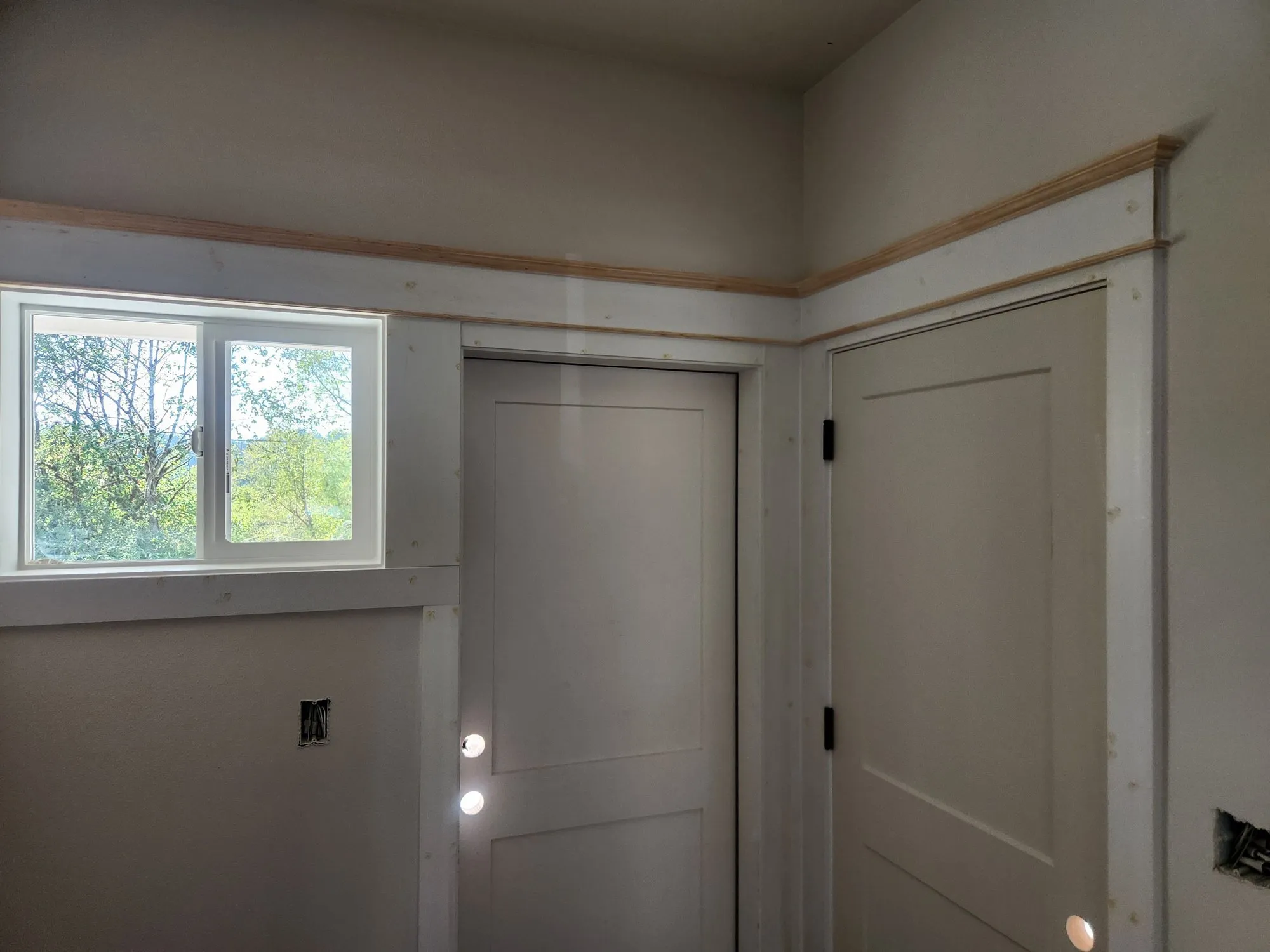
Baseboard, casing, crown, wainscoting, and window trim, cut tight and caulked clean. For homes and rentals in Vancouver, Battle Ground, Camas, and across Clark County.
Trim is the difference between a room that's done and a room that's finished. Baseboard, casing, crown, and wainscoting, cut tight and set straight, whether it's one repair or the whole house.
Real jobs.
Real photos.
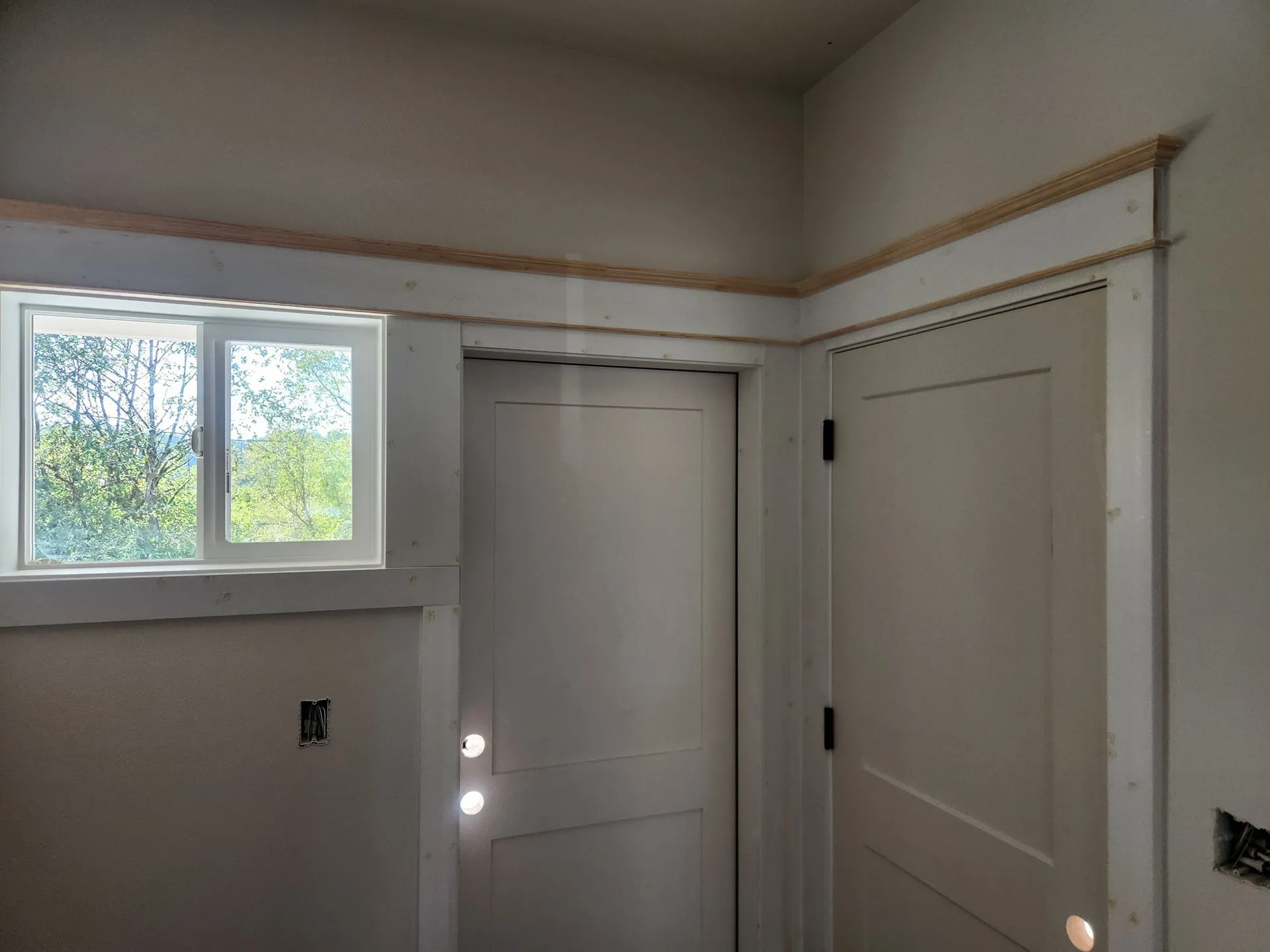
Doors hung and cased. Three pre-hung shaker doors in Washougal, cased and tied together with a head band that runs across the window and doors.
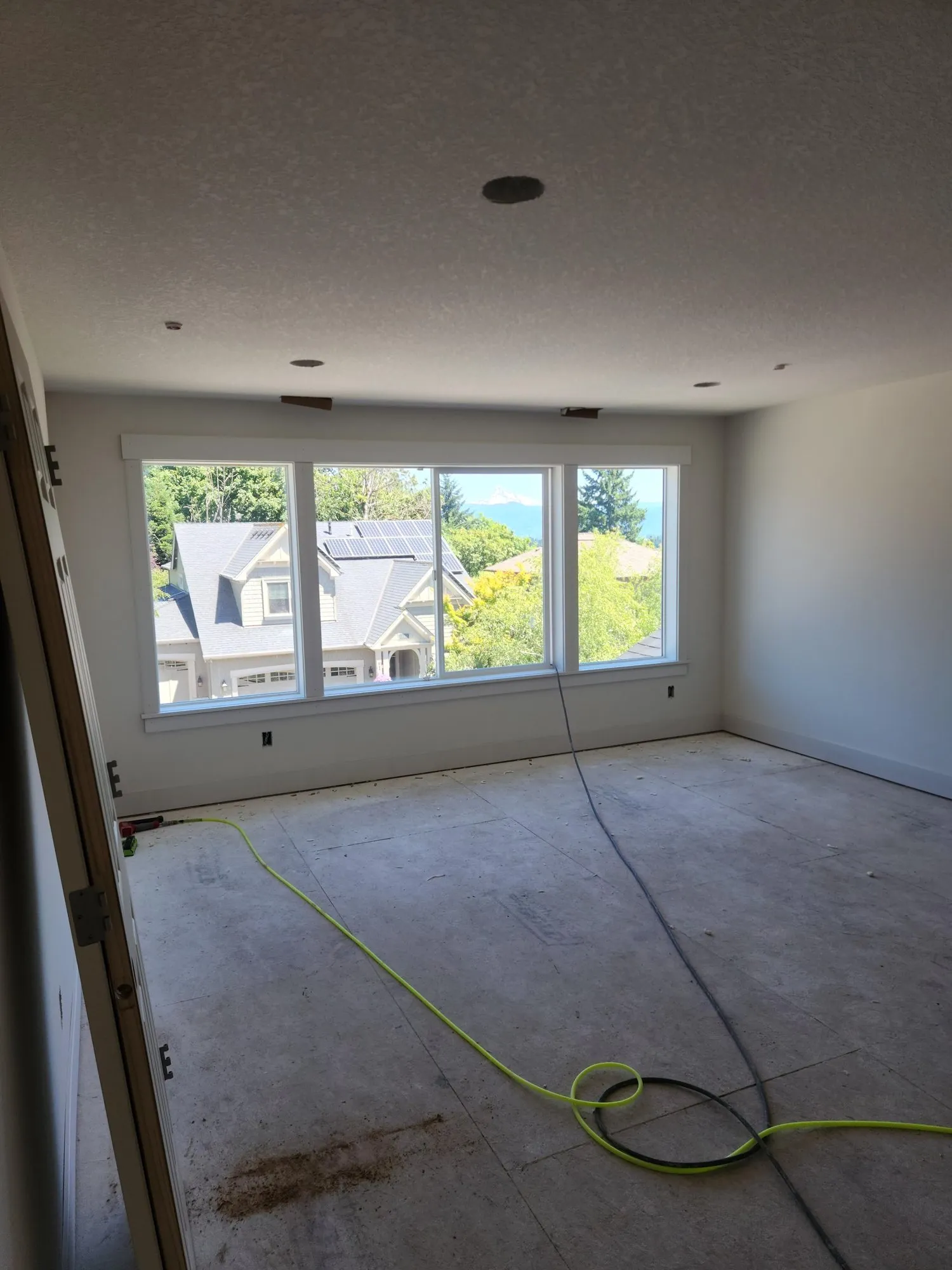
Picture window, cased. Side casings, a header, and a stool and apron around a triple window in a new upstairs bedroom.
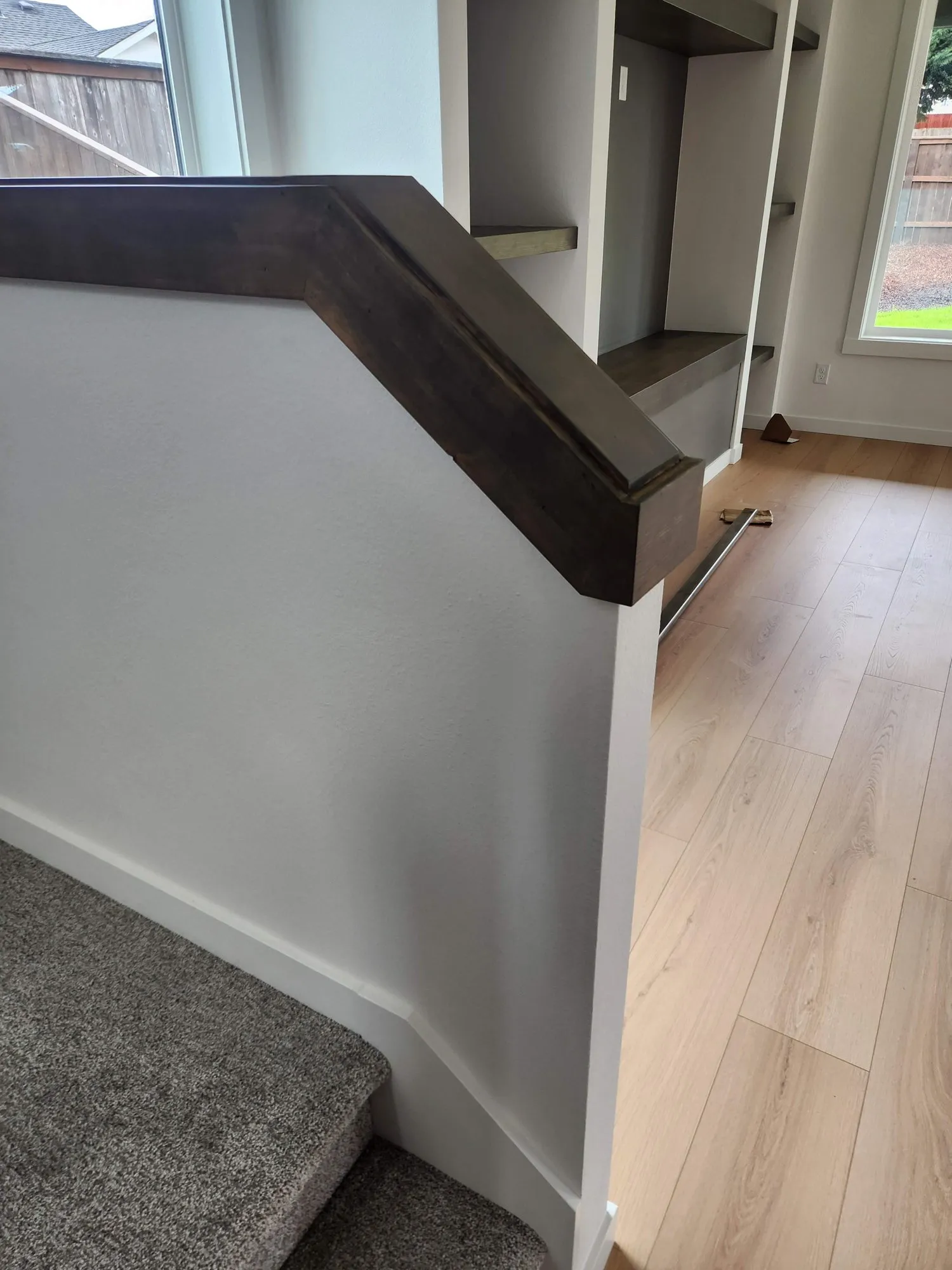
Stair cap in Orchards. A stained hardwood cap wrapped down a stair half-wall, finished to sit well against the new flooring.
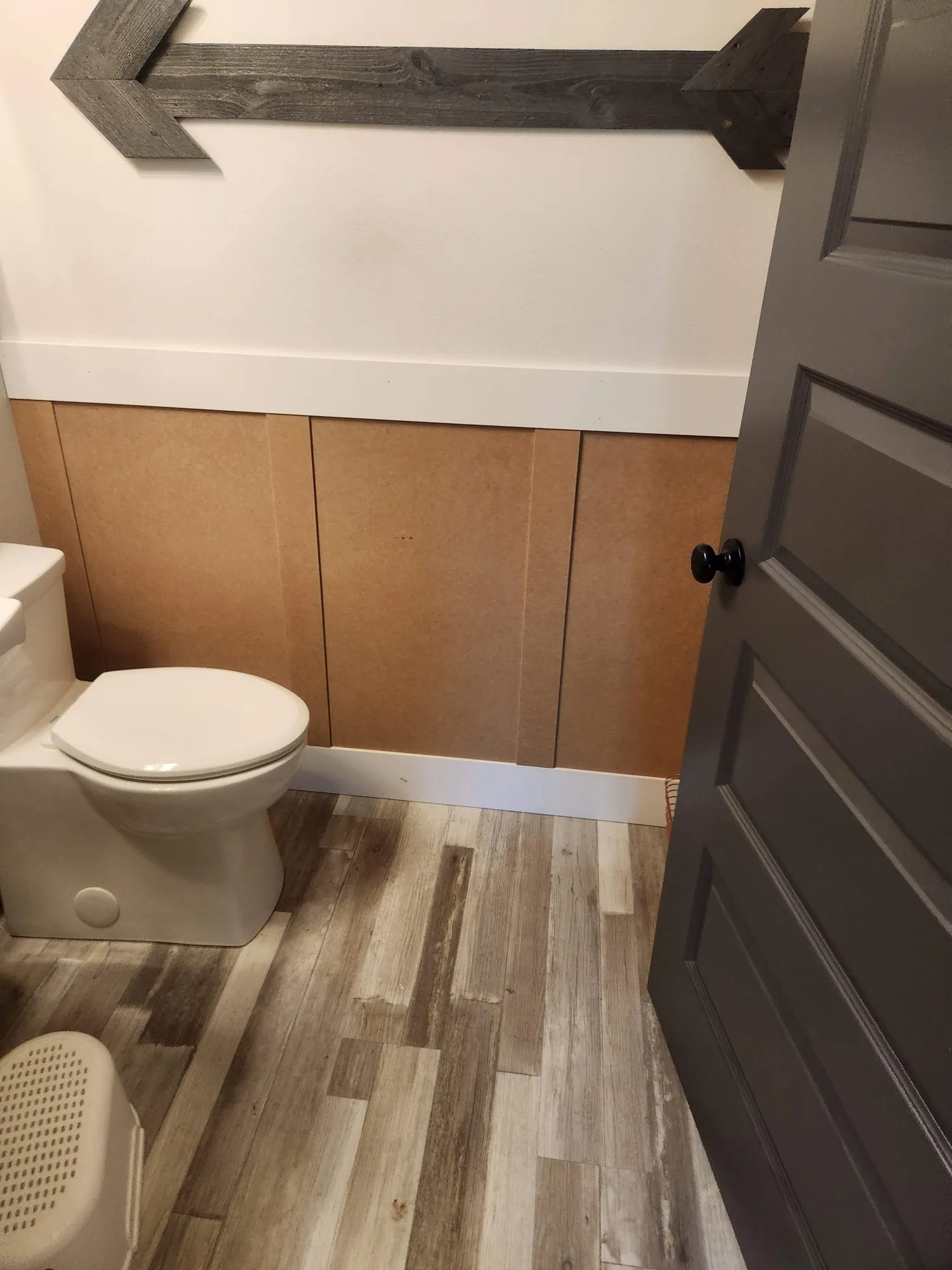
Board & batten in a half bath. Panels and battens laid out evenly between the corner and the door, with a ledge rail on top. Shown before paint.
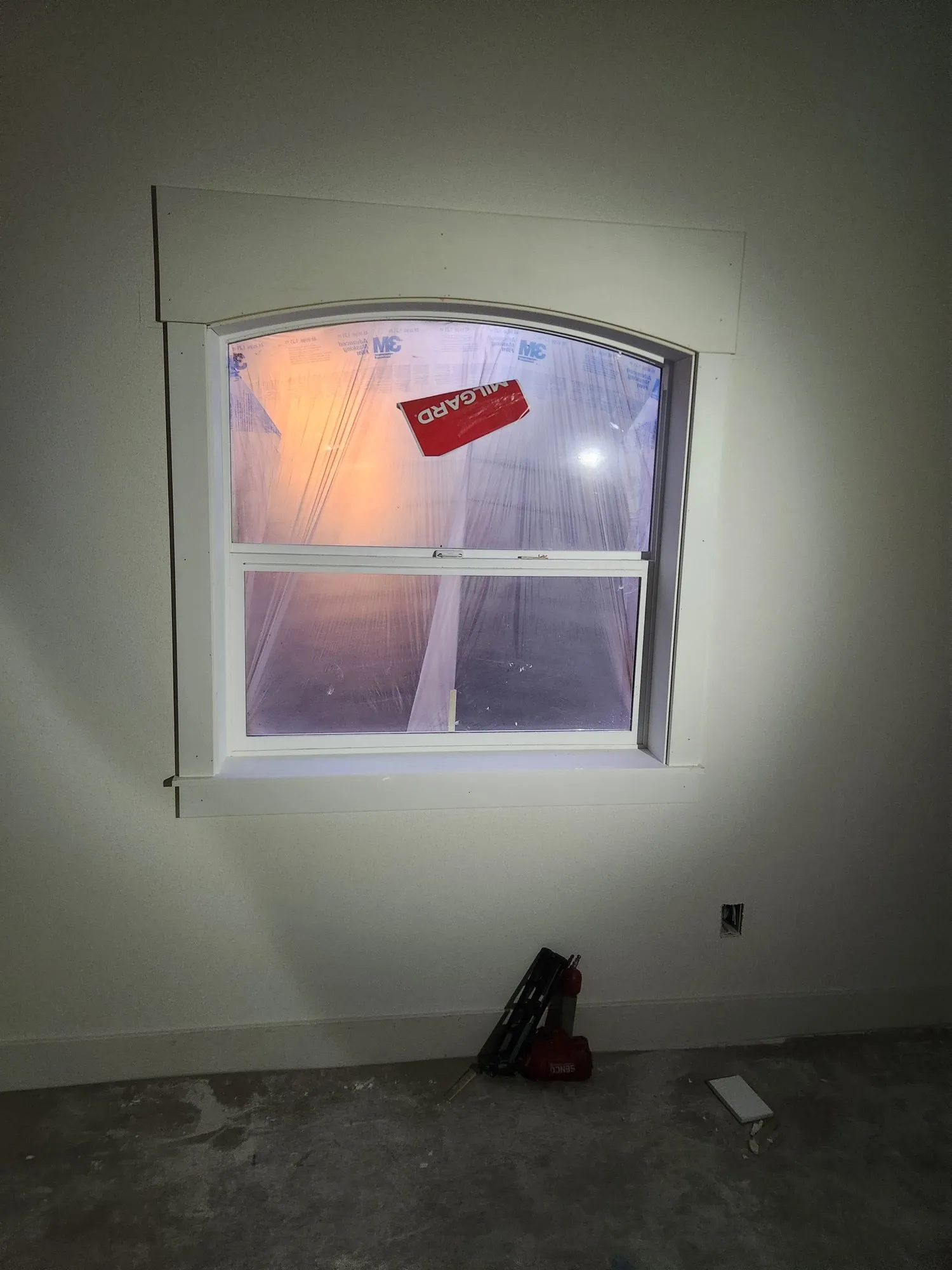
Arched window, squared off. Flat casing, a header, and a sill around an arched-top window, so it reads like the rest of the trim in the room.
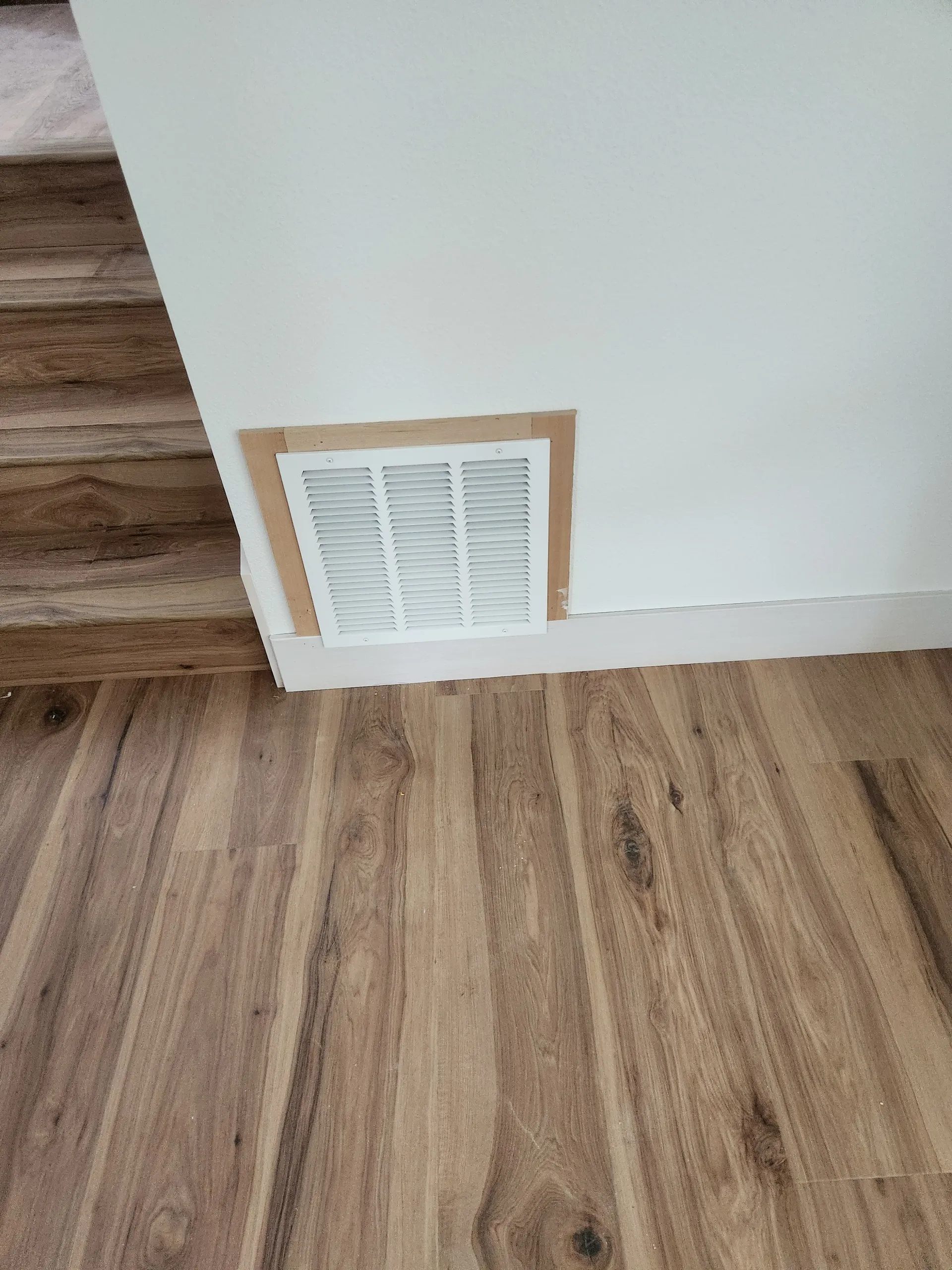
Vents trimmed after new floors. A wall vent framed in wood and tied into the new baseboard, so the opening looks finished instead of cut.
Why Expand Handyman
is the best way to get trim done.
- Pricing
Know the price first.
Small jobs are a $95 trip fee, then $75 an hour. Bigger ones get a written quote before any work starts.
- Proof
A photo of every fix.
Every finished item gets photographed, so you can check the work from anywhere.
- Scheduling
Share your preferred timing.
The scope and available appointment are confirmed before scheduling.
- The list
Save it all for one visit.
The sticky door, the loose shelf, the trim piece: one scheduled block.
- Registration
Check the Washington record.
Expand Handyman LLC: general construction contractor registration EXPANHL741O4. Review the current L&I record before hiring.
- Clean up
Your house, left clean.
Work areas protected, cleaned up each day, and scraps hauled away.
Serving all of Clark County.
Planning trim & finish carpentry
Should trim go in before or after new flooring?
After, in most cases. Baseboard and shoe molding cover the expansion gap at the edge of the floor, so they go in once the floor is down. If you're replacing floors, book the trim for right after.
Can you match my existing trim?
Usually. Most common baseboard and casing profiles are still stocked locally. For older or unusual profiles, send a close-up photo with a tape measure against it and I'll tell you what's possible before quoting.
How is trim work priced?
Small repairs are billed as a $95 trip fee, then $75 an hour. Full rooms and new installs get a written flat quote after a walkthrough, so you know the number before work starts.
What's the difference between baseboard, casing, and crown?
Baseboard runs along the bottom of the wall, casing frames doors and windows, and crown sits where the wall meets the ceiling. Most rooms use all three, and they look best when the profiles match.
What is shoe molding, and do I need it?
Shoe molding, or quarter round, is a small strip along the bottom of the baseboard. It covers the gap at the floor, which matters most on uneven floors and floating floors like LVP and laminate.
Should I use MDF or real wood trim?
MDF is smooth, stable, and less expensive, which makes it a good choice for painted trim in dry rooms. In bathrooms, laundry rooms, and anywhere it might get wet, solid wood or PVC holds up better.
Why do my trim corners keep opening up?
Wood moves with the seasons, and loose joints open as the house dries out in winter. Glued, tightly fitted outside miters and coped inside corners stay closed far longer than joints that are just nailed.
Can you add wainscoting or board and batten to an existing room?
Yes. Wainscoting, board and batten, and shiplap all go over your existing drywall, so there's no demolition. The layout is planned around outlets, windows, and doors so the spacing looks even.
When does trim work need further assessment?
Damp or rotted trim, movement around an opening, damaged wall material, or a layout affecting outlets needs evaluation before the finish work is agreed. Covering damage with trim does not address the cause. Structural repairs or electrical and plumbing changes may need a specialist or licensed trade before carpentry proceeds.